Creating a relaxing home workspace is essential for maintaining focus, reducing stress, and improving overall productivity. Whether you’re working remotely full-time or occasionally, a calm and comfortable environment can make a big difference in your daily work experience. In this post, we’ll explore practical steps to design a home office that feels inviting, organized, and perfectly suited for your needs.
Why a Relaxing Workspace Matters
Your workspace influences how you feel and perform. A cluttered or uncomfortable area can increase stress and distract you from tasks. On the other hand, a soothing and well-organized space helps you stay calm, motivated, and efficient throughout your day.
Choose the Right Location
Find a Quiet Spot
Select a part of your home with minimal noise and distractions. If possible, dedicate a room or corner specifically for work to help separate your professional tasks from personal life.
Optimize Natural Light
Natural light enhances mood and energy. Position your desk near a window to soak up daylight. If that’s not an option, use full-spectrum bulbs to simulate natural lighting and reduce eye strain.
Select Comfortable and Functional Furniture
Ergonomic Chair and Desk
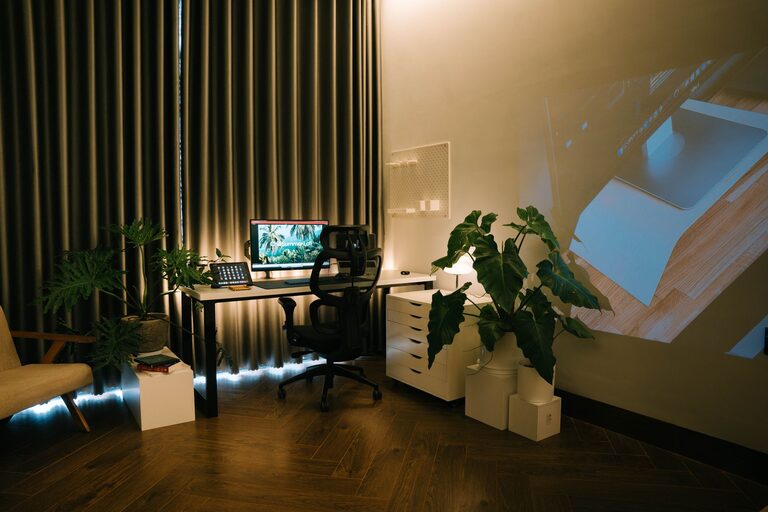
Invest in an ergonomic chair that supports your back and encourages good posture. Pair it with a desk at a comfortable height to avoid strain on your neck and wrists.
Adjustable Options
Consider adjustable desks or standing desks to switch between sitting and standing. This variety can improve circulation and reduce fatigue.
Create an Inviting Atmosphere
Use Calming Colors
Colors influence mood. Soft, neutral tones like pale blues, greens, or warm grays promote calmness and focus. You can add pops of color with accessories without overwhelming the space.
Add Personal Touches
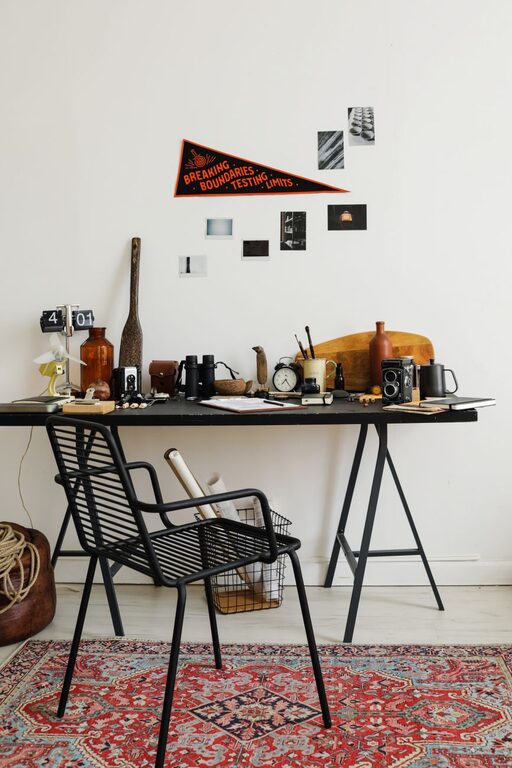
Incorporate elements that make you happy, such as plants, artwork, or photos. Plants not only beautify your workspace but also improve air quality and reduce stress.
Control Noise Levels
If ambient noise is unavoidable, use noise-canceling headphones or soft background music like instrumental tunes or nature sounds to maintain focus.
Organize to Minimize Clutter
Declutter Regularly
Keep only necessary items on your desk. A tidy workspace reduces distractions and clears your mind.
Use Storage Solutions
Use drawers, shelves, and organizers to store supplies neatly. Labeling containers can help you find things quickly.
Cable Management
Tidy cables with clips, sleeves, or under-desk trays to keep your workspace looking clean and prevent tripping hazards.
Optimize Technology Setup
Reliable Equipment
Ensure your computer, monitor, and internet connection are reliable and up to date. Slow technology can cause frustration and decrease productivity.
Ergonomic Accessories
A separate keyboard, mouse, or monitor stand can improve comfort, especially if you spend long hours at your desk.
Maintain Good Air Quality and Temperature
Ventilation
Fresh air keeps you alert. Open a window or use an air purifier to improve air quality in your workspace.
Comfortable Temperature
Keep the room at a comfortable temperature, around 68-72°F (20-22°C), to avoid discomfort that can distract you from work.
Incorporate Break Spaces and Movement
Take Regular Breaks
Step away from your desk periodically to stretch and rest your eyes. This refreshes your mind and body.
Mini Exercise Area
If space allows, include a small area for light stretching or yoga to keep your body energized.
Personalize Your Lighting
Task Lighting
Use a desk lamp with adjustable brightness to focus light where you need it without straining your eyes.
Ambient Lighting
Soft lighting options like floor lamps or string lights can reduce harsh contrasts and create a cozy atmosphere.
Final Tips for Maintaining Your Relaxing Workspace
– End your day by tidying up to start fresh the next morning.
– Regularly reassess your setup and make changes as your needs evolve.
– Set clear boundaries to separate work time from personal time.
—
With these tips, you can create a home workspace that not only supports your productivity but also nurtures a sense of calm and well-being. A relaxing environment is a key ingredient for successful and enjoyable workdays at home.