
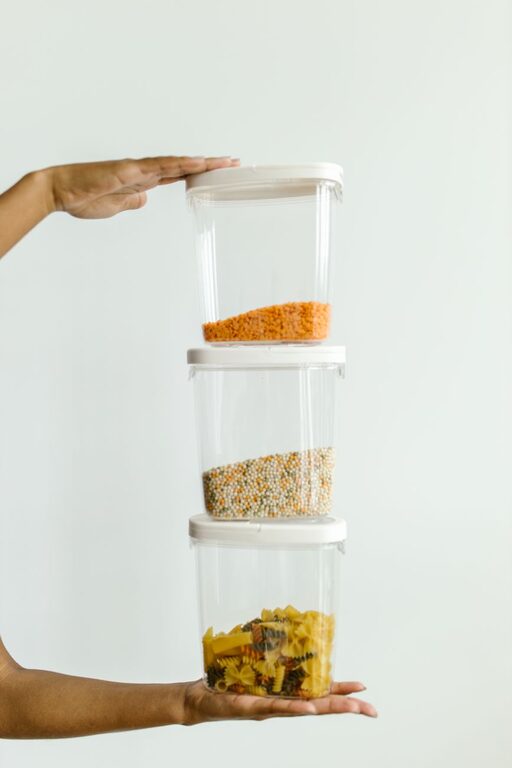
Planning meals around pantry staples is a smart approach to cooking that saves money, reduces food waste, and makes mealtime less stressful. Your pantry likely holds plenty of ingredients that can be transformed into tasty, nutritious dishes without frequent trips to the store. Whether you’re cooking for one or feeding a family, knowing how to work with what you have on hand helps you make the most of your resources.
In this post, we’ll explore practical steps to plan meals using pantry basics, including how to organize your pantry, common staple ingredients, and easy meal ideas. Let’s dive in!
What Are Pantry Staples?
Pantry staples are non-perishable food items you keep on hand regularly. These ingredients typically have a long shelf life and form the foundation for many recipes. Common pantry staples include:
– Grains: rice, pasta, quinoa, oats
– Canned goods: beans, tomatoes, tuna, vegetables
– Baking essentials: flour, sugar, baking powder
– Oils and vinegars: olive oil, vegetable oil, balsamic vinegar
– Spices and herbs: salt, pepper, garlic powder, dried basil
– Nuts and seeds
– Broth or stock (boxed or canned)
Having these staples stocked means you can quickly put together meals without needing last-minute store runs.
Step 1: Organize Your Pantry
Before planning meals, take a moment to organize your pantry. A tidy, well-arranged pantry helps you see what you have and prevents duplicates or forgotten ingredients.
– Group similar items together: grains, canned goods, baking supplies, etc.
– Label shelves or use clear containers so contents are visible.
– Check expiration dates and remove anything expired.
– Keep frequently used items at eye level for easy access.
Once your pantry is organized, it’s easier to plan meals around what’s available.
Step 2: Inventory Your Pantry Staples
Make a quick list of the pantry staples you have. This includes everything from canned beans to spices to grains. Your list doesn’t have to be long or fancy, just a simple note to remind you of available ingredients.
For example:
– Canned black beans
– Brown rice
– Diced tomatoes
– Pasta shells
– Olive oil
– Garlic powder
– Parmesan cheese (if refrigerated)
– Chicken broth
This list will guide your meal planning and grocery shopping.
Step 3: Plan Meals Around What You Have
With your pantry inventory in hand, think about meals you can create using those ingredients. Focus on dishes that are flexible and can be adapted with what’s in your pantry.
Here are some general meal ideas using common pantry staples:
1. Pasta with Tomato Sauce and Beans
– Cook pasta shells or any pasta you have.
– Make a quick sauce by sautéing garlic (fresh or powder) in olive oil, then adding canned diced tomatoes.
– Stir in canned black beans for protein.
– Season with salt, pepper, and herbs like basil or oregano.
– Top with grated Parmesan if available.
2. Rice and Bean Bowls
– Prepare brown rice or white rice.
– Heat canned beans (black, pinto, or kidney).
– Add canned corn or diced tomatoes if you like.
– Season with cumin, chili powder, salt, and pepper.
– Top with salsa, a dollop of yogurt, or shredded cheese.
3. One-Pot Soup or Stew
– Use broth or stock as a base.
– Add canned vegetables, grains like barley or rice, and canned beans or lentils.
– Season with herbs and spices.
– Simmer until flavors meld and grains are tender.
4. Stir-Fry with Rice or Noodles
– Cook rice or noodles.
– Use canned vegetables or frozen veggies if available.
– Sauté with garlic, ginger, and soy sauce (if on hand).
– Add protein like canned chicken or tofu.
Step 4: Supplement Your Pantry Staples with Fresh Ingredients
While pantry staples are great for the base of a meal, adding fresh ingredients can elevate your dishes. Plan to use fresh produce, dairy, or proteins to complement your pantry items.
For example:
– A handful of fresh spinach stirred into soup.
– Fresh onions and garlic sautéed for sauces.
– A squeeze of lemon or a sprinkle of fresh herbs for brightness.
– Fresh fruit as a side or dessert.
Buy fresh ingredients based on your pantry staples to keep your grocery list focused and budget-friendly.
Step 5: Create a Weekly Meal Plan
Now that you know what ingredients you have and some meal ideas, put together a simple weekly plan.
– Outline meals each day based on pantry staples and fresh ingredients.
– Plan to use ingredients in multiple meals to reduce waste (e.g., a can of beans used in chili one day, taco filling the next).
– Keep meals simple and flexible—substitute ingredients as needed.
– Add a grocery list for any fresh or missing pantry items.
Bonus Tips for Cooking with Pantry Staples
– Batch cook grains and beans ahead of time to save prep time during the week.
– Use spices and herbs liberally to add flavor without extra cost.
– Freeze leftovers or extras for quick meals later.
– Experiment with different cuisines—many world cuisines rely heavily on pantry staples, such as Italian, Mexican, Indian, and Middle Eastern dishes.
– Keep a few versatile condiments like soy sauce, mustard, or hot sauce to add dimension to dishes.
Final Thoughts
Planning meals using pantry staples is practical, economical, and creative. By organizing your pantry, knowing what staples you have, and combining them with fresh ingredients, you can enjoy a variety of delicious meals anytime. Keep your pantry stocked with essentials and use these tips to make meal planning a breeze.
Happy cooking!