
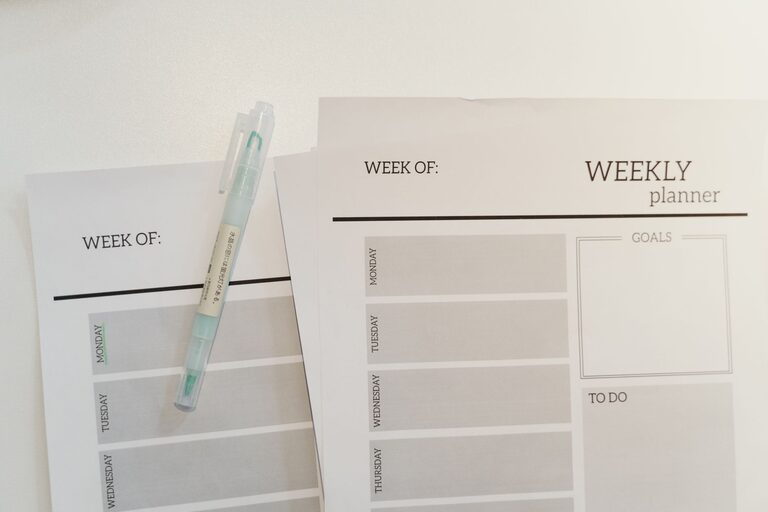
Setting weekly goals is a powerful way to stay organized, motivated, and productive. When done correctly, weekly goals break down larger ambitions into manageable tasks, making progress feel achievable and less overwhelming. However, setting unrealistic or vague goals can cause frustration and decrease motivation. This guide will walk you through how to set realistic weekly goals that you can confidently accomplish, helping you build positive momentum week after week.
Why Set Weekly Goals?
Weekly goals act as mile markers on your journey toward long-term targets. They help you:
– Stay focused on priorities
– Measure progress regularly
– Adjust plans based on what works
– Maintain motivation by celebrating achievements
By focusing on one week at a time, you avoid burnout and keep a clear perspective on what’s most important.
Characteristics of Realistic Weekly Goals
Before we dive into the process, it’s important to understand what makes a weekly goal realistic. A well-set goal should be:
– Specific: Clear about what you want to accomplish.
– Measurable: You can track progress and know when it’s done.
– Achievable: Within your abilities and resources.
– Relevant: Aligned with your larger objectives.
– Time-bound: Set to be accomplished within the week.
When your goals meet these criteria, they are often referred to as SMART goals, a useful framework for goal-setting.
Steps to Set Realistic Weekly Goals
1. Reflect on Your Bigger Picture
Start by reviewing your monthly or yearly goals. What are the key milestones you want to reach? Understanding the bigger picture helps you set weekly goals that contribute meaningfully without getting lost in minor tasks.
2. Review Last Week’s Progress
Take a moment to assess what you accomplished last week. Did you meet your goals? What worked, and what didn’t? Reflection helps you adjust expectations and avoid repeating mistakes.
3. Prioritize Your Tasks
List out everything you want to achieve this week. Then, identify which tasks are most important and time-sensitive. Focus your weekly goals on these high-priority items rather than trying to do everything at once.
4. Break Goals into Small Steps
If a goal feels too big, break it down into smaller, actionable steps. For example, instead of “write a blog post,” your weekly steps might include researching, outlining, drafting, and editing a section. Smaller tasks feel less daunting and easier to schedule.
5. Estimate Time Realistically
Consider how much time each task will take and how many hours you have available. Avoid underestimating the time needed or overloading your schedule. Remember to include breaks and buffer time for unexpected interruptions.
6. Write Down Your Goals Clearly
Put your goals in writing, whether in a planner, app, or notebook. Writing them down increases commitment and makes them easier to review.
7. Schedule Your Tasks
Assign specific days and times to work on your goals. This step turns intentions into action and helps build a routine.
8. Stay Flexible
While it’s important to stick to your schedule, be prepared to adapt if priorities shift or unexpected events arise. Flexibility prevents discouragement and keeps your goals realistic.
9. Celebrate Progress
At week’s end, review what you accomplished. Celebrate completed goals and consider partial progress as a success too. Recognizing wins boosts motivation for the next week.
Tips to Maintain Motivation and Focus
– Limit Your Weekly Goals: Aim for 3–5 key goals to avoid overwhelm.
– Use Visual Reminders: Keep your goals visible to stay focused.
– Eliminate Distractions: Create a work environment that helps concentration.
– Accountability Partner: Share goals with a friend or colleague to increase commitment.
– Track Your Progress: Use checklists or apps to mark completed tasks.
Common Mistakes to Avoid
– Setting too many goals at once
– Vague goals without measurable outcomes
– Ignoring your available time and energy
– Not reflecting on past progress
– Getting discouraged by setbacks
Sample Weekly Goal Plan
| Goal | Steps | Time Estimate | Scheduled Day |
|——————————|——————————-|—————|———————|
| Complete blog post | Research, outline, draft, edit| 5 hours | Monday & Tuesday |
| Organize workspace | Declutter desk, sort files | 1.5 hours | Wednesday |
| Exercise 3 times this week | Gym sessions or home workout | 3 hours | Tuesday, Thursday, Saturday |
This kind of plan keeps your week balanced and manageable.
Final Thoughts
Setting realistic weekly goals is a skill anyone can develop. By breaking down your ambitions into clear, achievable steps, you create a roadmap that guides you steadily forward. Remember to be kind to yourself during the process—progress, not perfection, is what counts. Start small, stay consistent, and you’ll find your productivity and motivation improving week by week.
Happy goal setting!