
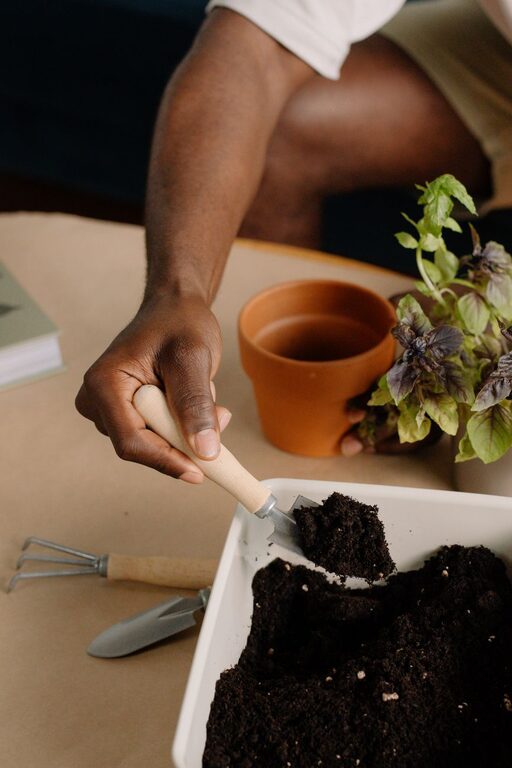
Starting an indoor herb garden is a rewarding and practical way to have fresh, aromatic herbs right at your fingertips, no matter the season. Whether you live in a small apartment or have limited outdoor space, growing herbs indoors can brighten your kitchen and elevate your cooking. This guide will walk you through everything you need to know to start your own small herb garden inside your home.
Why Grow Herbs Indoors?
Herbs are versatile plants that don’t require much space, making them perfect for indoor gardening. Growing herbs inside means you can:
– Enjoy fresh flavors for your meals all year long
– Save money on store-bought herbs
– Avoid pesticides and ensure organic growth
– Add natural fragrance and greenery to your living space
With a little preparation and care, even beginners can successfully cultivate herbs indoors.
Choosing the Right Herbs for Your Indoor Garden
Not all herbs thrive equally well indoors, so it’s best to start with varieties known for their adaptability to indoor conditions. Here are some beginner-friendly options:
– Basil: Loves warmth and sunlight; great for Italian dishes.
– Parsley: Tolerates moderate light and is very versatile.
– Chives: Hardy and easy to grow with mild onion flavor.
– Mint: Thrives indoors but can be invasive; grow in separate pots.
– Thyme: Prefers bright light and well-drained soil.
– Cilantro: Short-lived but grows quickly in bright, indirect light.
– Oregano: Needs good light and well-drained soil.
You can choose a few of these herbs depending on your kitchen needs and the light available.
Selecting Containers and Soil
Containers
Herbs need containers with good drainage to prevent root rot. Some options include:
– Small pots with drainage holes
– Recycled containers like yogurt cups or tin cans (make sure to add holes)
– Window boxes or specialty herb garden planters
Using containers between 4 to 6 inches deep usually works well for most herbs.
Soil
Use a high-quality potting mix designed for indoor plants. Avoid garden soil as it’s too dense and may carry pests. Look for a well-draining, peat-based soil rich in organic matter. You can also mix in some perlite or sand to improve drainage.
Ideal Location and Lighting
Most herbs need 6-8 hours of sunlight daily. A sunny south- or west-facing window is often ideal. If natural light is limited, consider:
– Using grow lights designed for plants
– Placing herbs under fluorescent lights for 12-16 hours daily
Rotate plants every few days to ensure even growth and prevent leaning toward the light source.
Planting Your Herb Garden
From Seeds or Starter Plants?
– Seeds: More economical and available in many varieties but require patience and careful attention.
– Starter plants: Faster results and easier for beginners.
Planting Steps
- Fill containers with potting mix, leaving about an inch from the top.
- Plant seeds according to package instructions or transplant starter plants gently.
- Water thoroughly but avoid waterlogging.
- Cover seeds lightly with soil and keep the soil consistently moist until germination.
- Thin seedlings if they become too crowded to allow healthy growth.
Watering and Fertilizing Tips
Watering
Herbs generally prefer slightly moist soil but dislike soggy roots. Check soil moisture by touching the top inch:
– Water when dry to the touch
– Use room-temperature water
– Water at the base of plants, avoiding leaves to prevent mold
Fertilizing
Indoor herbs benefit from light feeding:
– Use a balanced, water-soluble fertilizer diluted to half strength every 4-6 weeks.
– Avoid over-fertilizing, which can reduce flavor and cause leggy growth.
Pruning and Harvesting
Regular pruning encourages fuller, bushier herbs and prevents flowering, which can reduce flavor.
– Pinch back tips regularly to promote new growth.
– Harvest in the morning after the dew has dried for optimal flavor.
– Use scissors to snip leaves and stems above a leaf node.
– Avoid removing more than one-third of the plant at a time to keep it healthy.
Common Challenges and Solutions
– Yellowing leaves: May indicate overwatering or poor drainage.
– Leggy growth: Often caused by insufficient light; move plants to brighter location.
– Pests: Indoor herbs can attract aphids or spider mites; wash plants with water or mild soap solution.
– Wilting: Check watering habits and lighting conditions.
Final Tips for a Thriving Indoor Herb Garden
– Monitor the temperature; herbs prefer 65-75°F (18-24°C).
– Keep herbs away from drafts or heating vents.
– Clean and sterilize containers before reuse to prevent diseases.
– Experiment with different herbs and arrangements as you gain experience.
Growing an indoor herb garden is both fun and practical. With a bit of patience and care, you’ll have fresh, flavorful herbs to enhance your cooking and brighten your home all year round. Happy gardening!